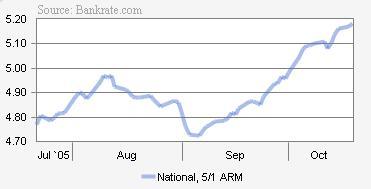
 Interest Rates continue to rise. The bubble is being squeezed.
Subscribe to:
Post Comments (Atom)
Bubble Meter is a national housing bubble blog dedicated to tracking the continuing decline of the housing bubble throughout the USA. It is a long and slow decline. Housing prices were simply unsustainable. National housing bubble coverage. Please join in the discussion.


 Posts
Posts


What amazes me is that right now, we are still talking about interest rates being lower than for most of my (30+) years on this planet, and yet the typical economic debate would characterize interest rates at 9 or 10% as extreme. At those kind of rates, the bubble will collapse into a black hole, and yet those rates are quite reasonable to expect.
ReplyDelete"At those kind of rates, the bubble will collapse into a black hole, and yet those rates are quite reasonable to expect."
ReplyDeleteGreat point.
"causing home affordability to weaken"
ReplyDeleteLOL. It won't cause home affordability to weaken for those of us who want to pay cash or make a big downpayment. In fact, it won't cause home affordability to weaken at all. It will make it more difficult to rent a house from the bank while it duplicitously calls you the owner, but that's about it.
Also, if you start to see these defaults due to higher interest rates, you will see why those stodgy old lenders of years' past always wanted to lend at fixed rates to people who could make a 20% downpayment.
ReplyDelete